Melbourne, Australia – November 30th 2024: Drug misuse among students has long been a concern for educational institutions across the globe. Schools and universities are not just spaces for academic learning—they are foundations for personal growth, leadership development, and societal contribution. To foster a safe and supportive environment, many educational organisations turn to drug testing programmes as part of their strategy for addressing substance misuse. But what are the best practices to ensure these programmes are effective, ethical, and compassionate?
We will explore the importance of drug testing, outlines best practices for schools and universities, and highlights how solutions like Andatech’s DrugSense kits can support your institution in maintaining a safe learning environment.
Why is Drug Testing Important in Educational Institutions?
Drug and alcohol misuse can have profound effects on students, including decreased academic performance, behavioural issues, and long-term health complications. Implementing a well-structured drug testing programme can:
- Promote healthier behaviours: Regular testing encourages accountability and helps students make better choices.
- Ensure campus safety: Substance misuse can lead to unsafe environments. Drug testing minimises risks associated with impaired behaviour.
- Support student well-being: Drug testing is not just about penalties—it’s a proactive way to identify individuals who may need assistance and direct them to the proper support systems.
- Meet duty of care obligations: By addressing drug-related risks, institutions fulfil their responsibility to provide a safe environment for all students.
However, the success of a testing programme hinges on how thoughtfully it’s implemented.
Best Practices for Effective School and University Drug Testing
1. Create a Clear Policy Framework
Before launching a drug testing programme, ensure you establish a robust policy. This includes:
- Transparency: Clearly communicate the purpose of the testing and how results will be used.
- Consent: Obtain written consent from students or their guardians if required. Transparency builds trust and acceptance.
- Fairness: Outline procedures to ensure every student is treated equally, avoiding discrimination or bias.
A clear and well-communicated policy builds understanding and trust within the school or university community.
2. Use Reliable Testing Methods
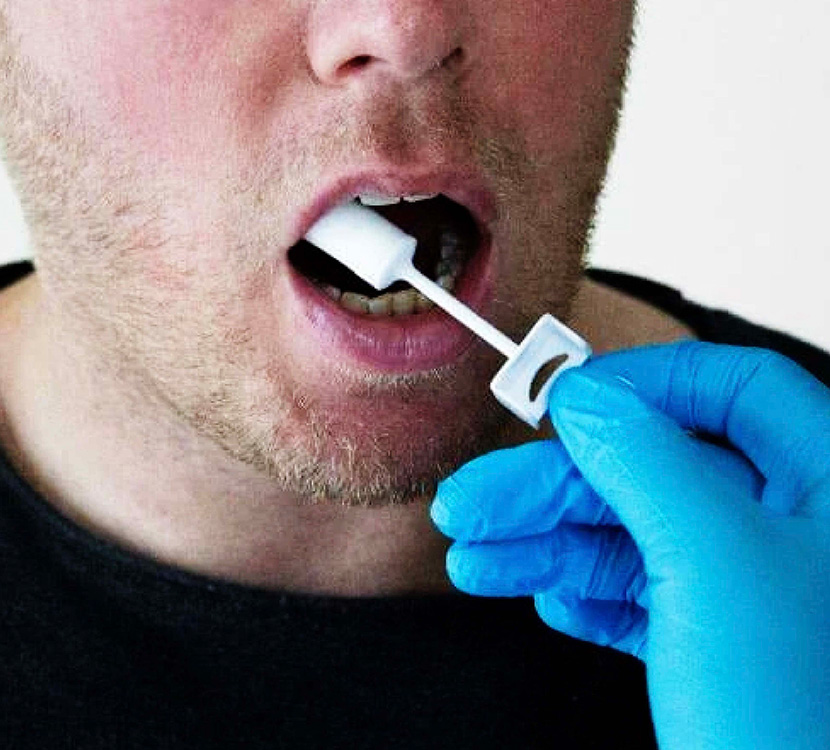
Not all drug testing kits are created equal. It’s essential to use accurate, reliable, and user-friendly kits. Andatech’s DrugSense kits, for example, are specifically designed for schools and workplaces, offering:
- Rapid, accurate results with minimal margin for error.
- Ease of use to ensure staff can confidently conduct tests.
- Comprehensive scope to detect multiple substances.
Implementing dependable tools will reduce the risk of false positives and negatives, ensuring credibility in your testing process.
3. Train and Educate Staff
Staff conducting the tests must be well-trained to handle the process professionally and sensitively. Key elements of training include:
- Understanding how to use drug testing kits.
- Properly handling and documenting test results.
- Approaching students with empathy, care, and discretion.
This ensures the process remains confidential and respectful, minimising any distress for the students involved.
4. Incorporate Preventative Education
Drug testing should go hand in hand with preventative education. Simply conducting tests isn’t enough—students also need tools to make educated decisions about drug and alcohol use. Include:
- Awareness campaigns about the effects of substance misuse.
- Workshops or seminars with experts who can provide honest, science-based information.
- Peer mentorship programmes to encourage open dialogue and mutual support.
Combining education with testing creates a proactive approach to substance misuse.
5. Use Drug Testing to Provide Support, Not Punishment
The primary aim of drug testing in schools and universities should be student welfare—not punitive action. When a student tests positive, consider it an opportunity to offer:
- Counselling or coaching to address underlying problems.
- Referrals to rehabilitation or support programmes.
- Continued mentorship and partnerships with families to help the student reintegrate and succeed.
This empathetic approach reinforces your commitment to helping students grow and learn from their challenges.
6. Maintain Confidentiality
Trust is the backbone of any drug testing programme. Guarantee students that all test results will be treated with absolute confidentiality. This includes:
- Storing records securely to avoid accidental disclosure.
- Sharing results only with authorised stakeholders, such as guardians or welfare officers.
Confidentiality fosters a sense of security and encourages cooperation from students and their families.
Drug and alcohol misuse can have profound effects on students, including decreased academic performance, behavioural issues, and long-term health complications.
Partnering with Andatech for a Safer Campus
At the heart of maintaining safe and drug-free educational environments is having access to robust tools and resources. Andatech’s DrugSense drug testing kits are reliable, user-friendly, and tailored for use within schools and universities.
Here’s how DrugSense supports educational institutions:
- Accuracy You Can Trust: These kits deliver precise results, reducing the risk of false outcomes.
- Ease of Use: Designed for non-technical staff, they’re straightforward to operate and interpret.
- Comprehensive Detection: Test for a wide range of substances to ensure a thorough check.
- Support Beyond Testing: Andatech’s team is available to train your staff and ensure seamless integration of drug testing programmes into your policies.
Additionally, Andatech’s focus on quality and reliability is backed by its commitment to rigorous standards. With ISO9001 certification and a NATA-accredited laboratory, all products meet the stringent demands of professionals in educational and workplace settings.
Building a Community of Empowered Youth
Drug testing in schools and universities is not simply about identifying issues—it’s about equipping students with the resources, education, and support needed to thrive. When conducted with empathy and precision, drug testing programmes can play a significant role in fostering safety, accountability, and personal growth.
By adopting best practices and the right tools, your institution can create a safe, supportive environment where students feel empowered to make healthier decisions.
If your school or university is considering starting or improving its drug testing programme, Andatech and its DrugSense solutions are here to help. Together, we can champion safety, well-being, and leadership in our next generation.
Curious to learn more? Contact Andatech today to explore how DrugSense can support your institution.