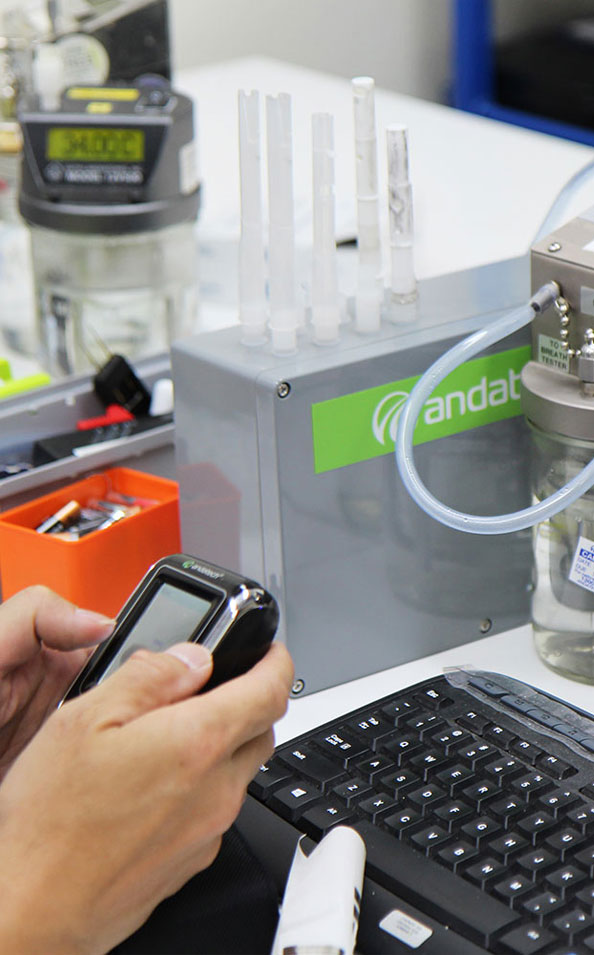
Breathalysers and drug testing technology are advancing at a rapid pace, presenting powerful solutions for workplace safety and public health. Employers, safety managers, and health professionals must keep abreast of these developments to foster safer environments and stay compliant with evolving regulations. Emerging innovations highlight the significant role that cutting-edge tools play in detecting substances accurately, ensuring that safety is never compromised.
Enhancing Workplace Safety with Advanced Technologies
Workplace safety is paramount, especially in industries where the use of illicit drugs or alcohol could lead to severe accidents or impaired performance. Traditional methods of drug and alcohol testing, while effective, are being replaced or complemented by innovative technologies designed to provide faster, more reliable results.

Key advancements in breathalysers and drug testing
- Integration of AI for Precision
Modern breathalysers now incorporate artificial intelligence to minimise false positives and ensure accuracy. AI algorithms can analyse patterns in breath and behaviour, delivering results that employers and safety managers can trust.
- Portable and Connected Devices
Portability has become a significant trend in breathalyser and drug testing technology. Devices are now smaller and more lightweight, making on-site testing highly convenient. Additionally, many advanced devices include internet connectivity, allowing results to be instantly uploaded and shared across teams in real-time.
- Non-invasive Testing Methods
Innovations are shifting toward non-invasive testing solutions like saliva drug tests and continuous alcohol monitoring systems, which provide results without discomfort or the need for extensive preparation. These advancements not only enhance accuracy but also reduce testing time, enabling organisations to conduct frequent checks effortlessly.
- Multi-Drug Panels
Drug testing panels capable of detecting multiple substances simultaneously are becoming standard. These panels are designed to identify a wide range of drugs, including marijuana and its derivatives, amphetamines, and opiates, ensuring no substances are missed during screening.
The Benefits for Employers and Organisations
Implementing the latest breathalyser and drug testing technologies isn’t just about compliance—it’s about creating a safer, more productive workforce. Organisations that adopt advanced solutions can:
- Improve Productivity
Substance abuse can lead to higher absenteeism and reduced productivity. By employing precise and reliable drug testing methods, organisations can significantly mitigate risks and maintain efficiency.
- Enhance Employee Well-being
A workplace free of drug and alcohol influence fosters employee well-being. Safety measures such as regular and comprehensive testing can protect not just individual workers, but entire teams from the dangers posed by impaired colleagues.
- Reduce Costs from Workplace Incidents
Accidents and injuries related to substance abuse can lead to costly downtime and higher insurance claims. Cutting-edge technologies enable proactive detection, reducing liabilities and expenses over time.
- Stay Ahead of Legal Obligations
By using advanced tools, organisations remain compliant with stringent drug and alcohol policies, avoiding potential lawsuits or penalties linked to unsafe practices.
"Implementing the latest breathalyser and drug testing technologies isn't just about compliance—it's about creating a safer, more productive workforce."
Why Staying Updated Matters in Drug and Alcohol Testing
The landscape of drug use is evolving, with new synthetic substances and illicit drugs emerging at an alarming rate. Devices that remain stagnant may fail to detect these substances, leaving organisations exposed to unnecessary risks. Employers and health professionals must therefore prioritise staying updated with what the latest testing technology offers.
Marijuana, for instance, is increasingly legalised worldwide despite its proven harms. Advanced testing technologies ensure that even subtle traces of THC (tetrahydrocannabinol) are detected, reinforcing a commitment to total workplace safety. Elimination—not harm reduction—of these substances remains the best approach to addressing substance abuse fundamentally.
The Role of Employers and Professionals in Driving Change
Organisations play a crucial role in shaping a zero-tolerance culture toward drugs and alcohol. By adopting the latest technological innovations, employers and safety managers can set a precedent for their industries. This not only positions businesses as safety-conscious entities but also raises awareness about the broader societal dangers of drug and alcohol use.
The future of breathalysers and drug testing is undoubtedly promising, underpinned by technological advancements that transform workplace safety and public health standards. From AI-powered precision to multi-drug panels capable of detecting new-age substances, these innovations are vital in fostering healthier environments.
By choosing to adopt such cutting-edge solutions, employers, safety managers, and health professionals can ensure their organisations remain at the forefront of safety and responsibility. Don’t wait for problems to arise—act now to safeguard your workforce and take a proactive stance in combating issues tied to drug and alcohol abuse.